

For the effectiveness and sustainability of cancer screening programmes in Europe – the EUCanScreen Project in Bled
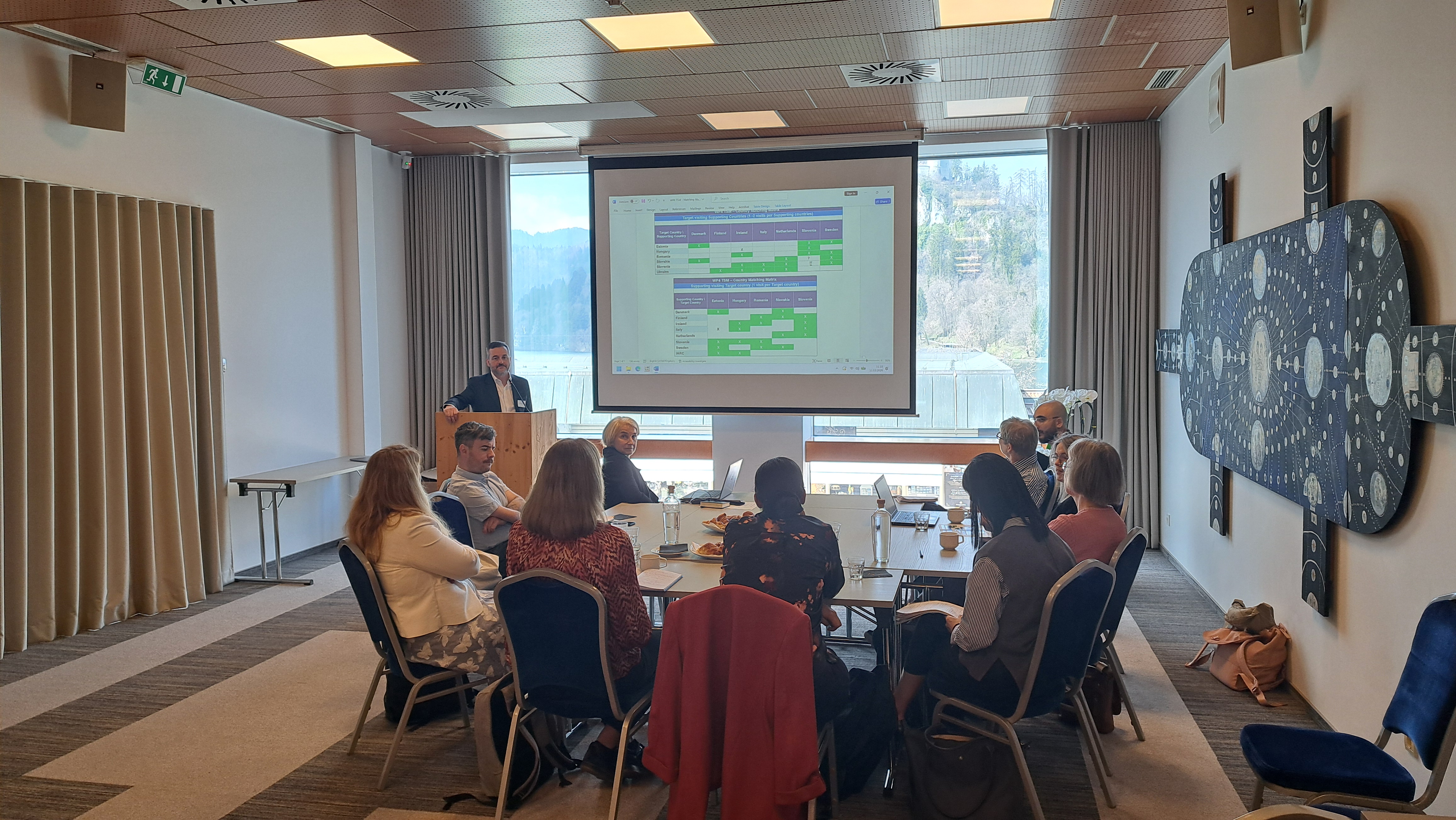
Between 9 and 11 March 2026, partners of the EUCanScreen project gathered in Bled for the kick-off meeting of the work package on the sustainability of cancer screening programmes in Europe, led by the Institute of Oncology Ljubljana. Around 90 European experts from nearly all European countries attended the meeting, primarily with the aim of exchanging knowledge, identifying key challenges, and defining priorities for strengthening organised population-based cancer screening in Europe.
Through numerous presentations, poster sessions, and interactive workshops, participants discussed important topics and opportunities for cooperation at the EU level. The discussions focused mainly on key questions such as how to improve the management of screening programmes, how to ensure quality and effectiveness, strengthen cost-effectiveness and long‑term sustainability, how to remove barriers in introducing and implementing programmes, and how collaboration between countries can help develop better solutions at the European level.
Experts also explored how research, modelling, and data can contribute to informed decision‑making and support the development of effective and sustainable screening programmes.
Exchange of experiences across Europe
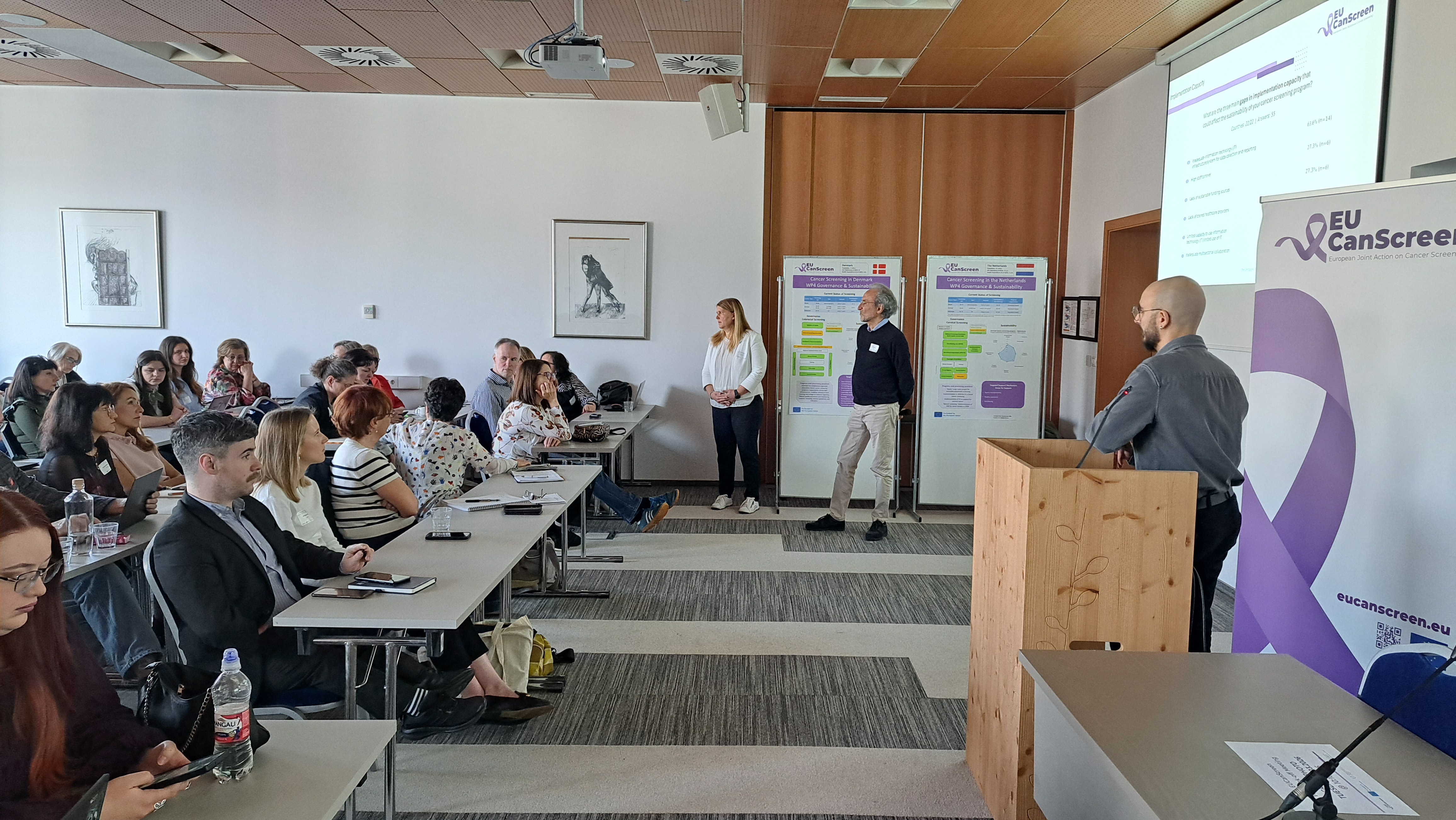
An important part of the meeting were the poster sessions, where representatives of the target countries — Estonia, Hungary, Romania, Slovakia, Slovenia, and Ukraine — presented the current state of management and sustainability of cancer screening programmes in their national contexts and their biggest challenges.
Supporting countries, which include Slovenia along with Denmark, Finland, Ireland, Italy, the Netherlands, and Sweden, shared their experiences and good practices and highlighted successful approaches that can contribute to improving screening programmes across Europe. The discussions accompanying the poster presentations helped identify common challenges, priority areas for support, and opportunities for collaboration within the EUCanScreen project.
Assoc. Prof. Dr. Urška Ivanuš, head of the ZORA Programme and leader of the sustainability work package within the project, emphasises: “Slovenia is an important interlocutor and co‑creator of European guidelines in the field of early cancer detection. Through research, connecting experts, and international cooperation, the Institute of Oncology Ljubljana actively contributes to the development of more sustainable, equitable, and effective screening programmes across Europe.”
Defining priorities and next steps
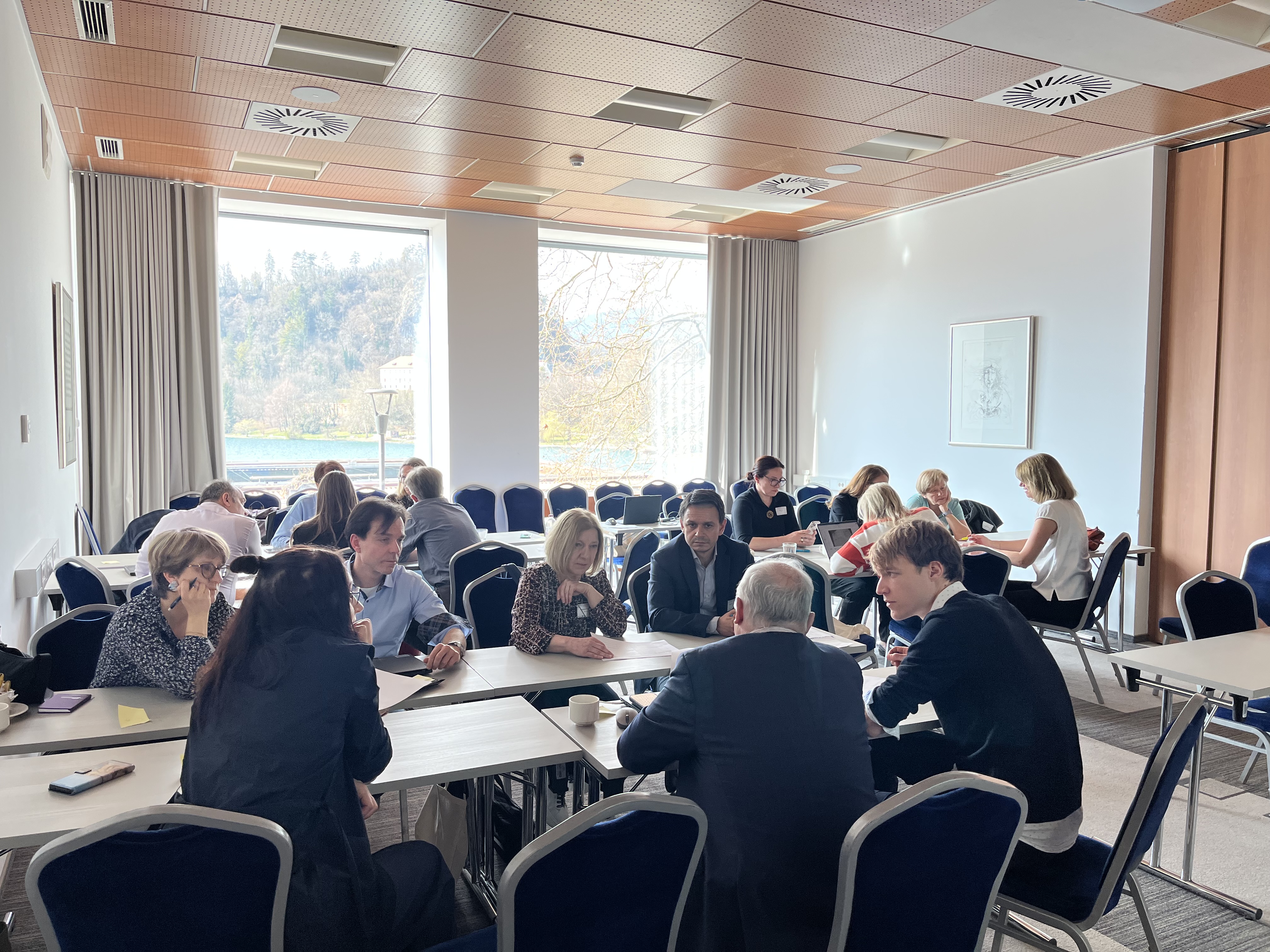
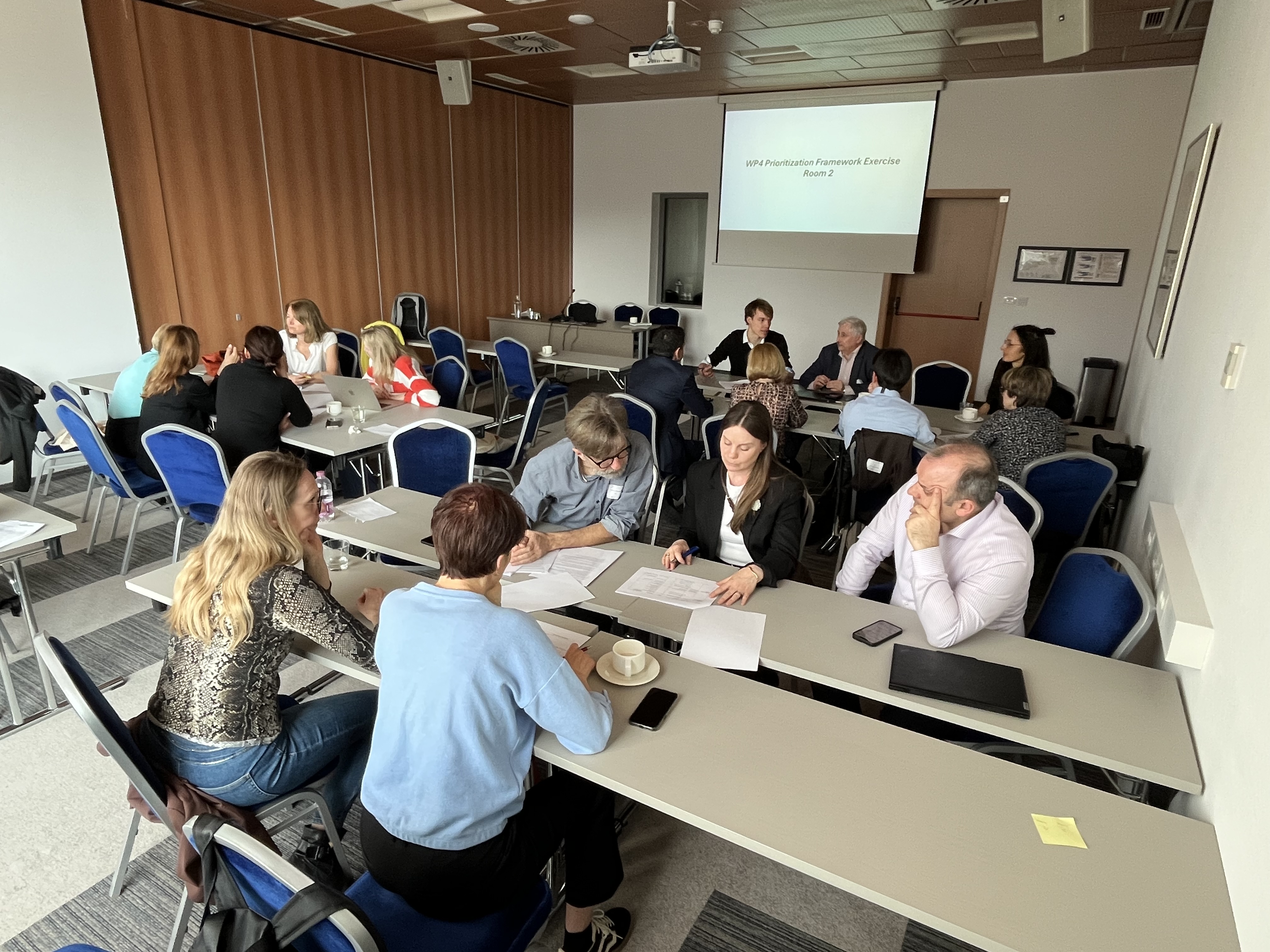
The meeting also included a priority‑setting workshop, where participants in smaller groups identified key actions needed to improve the sustainability of cancer screening programmes. The results of these discussions will guide the Targeted Support Mechanism (TSM) and the next activities of this work package.
The kick‑off meeting in Bled represents an important milestone for the EUCanScreen project, as it strengthens cooperation among partners and lays the groundwork for further work aimed at improving organised population‑based cancer screening across Europe.
EUCanScreen Project Consortium Meeting
Following the sustainability work package meeting, the EUCanScreen project consortium meeting took place. With 11 work packages and 29 participating countries, it is the largest European project in the field of organised population-based cancer screening. At this meeting, Mojca Gobec from the Ministry of Health presented the Slovenian screening programmes, their effectiveness, and the results that place Slovenia among the European leaders.