




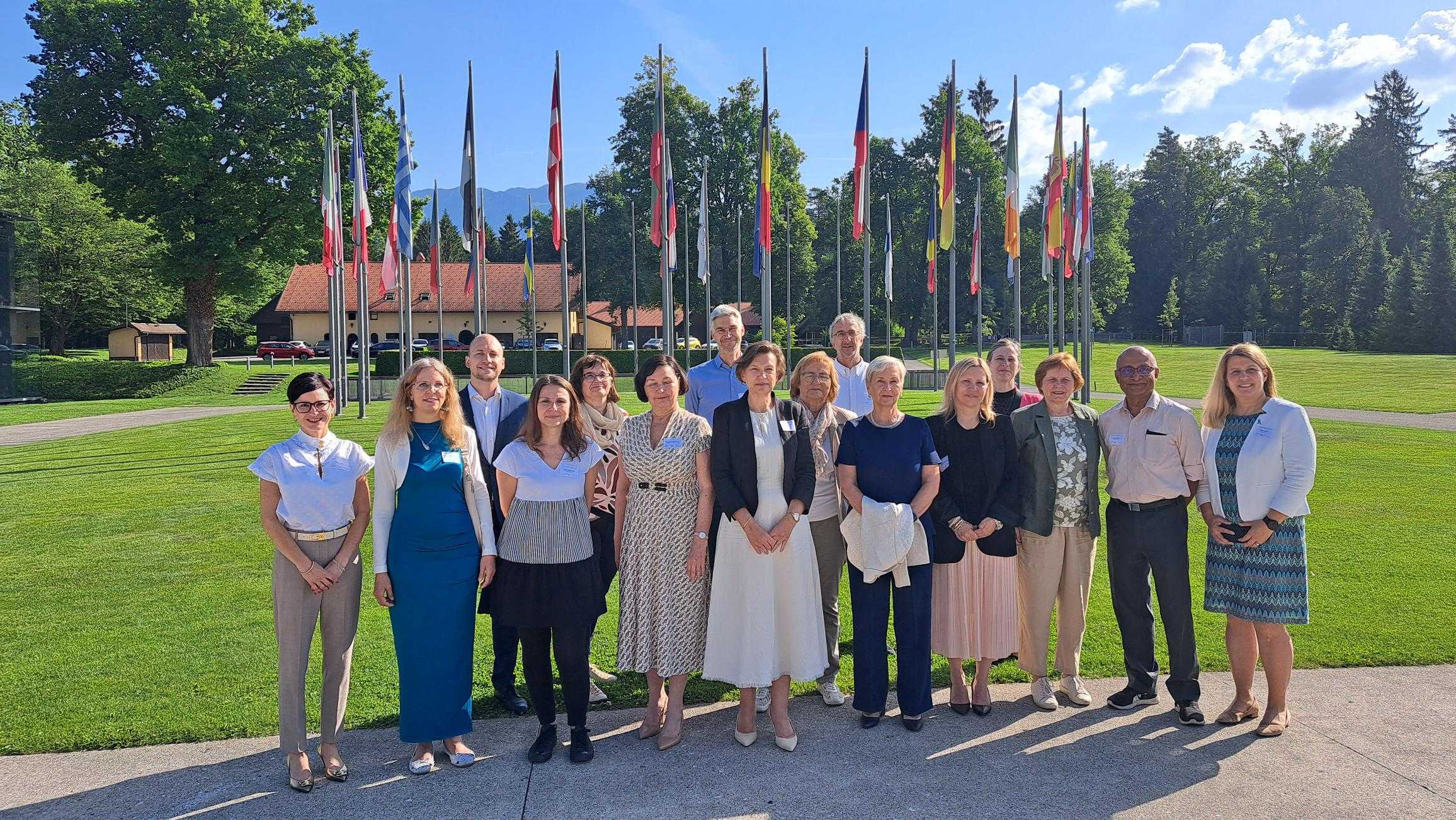
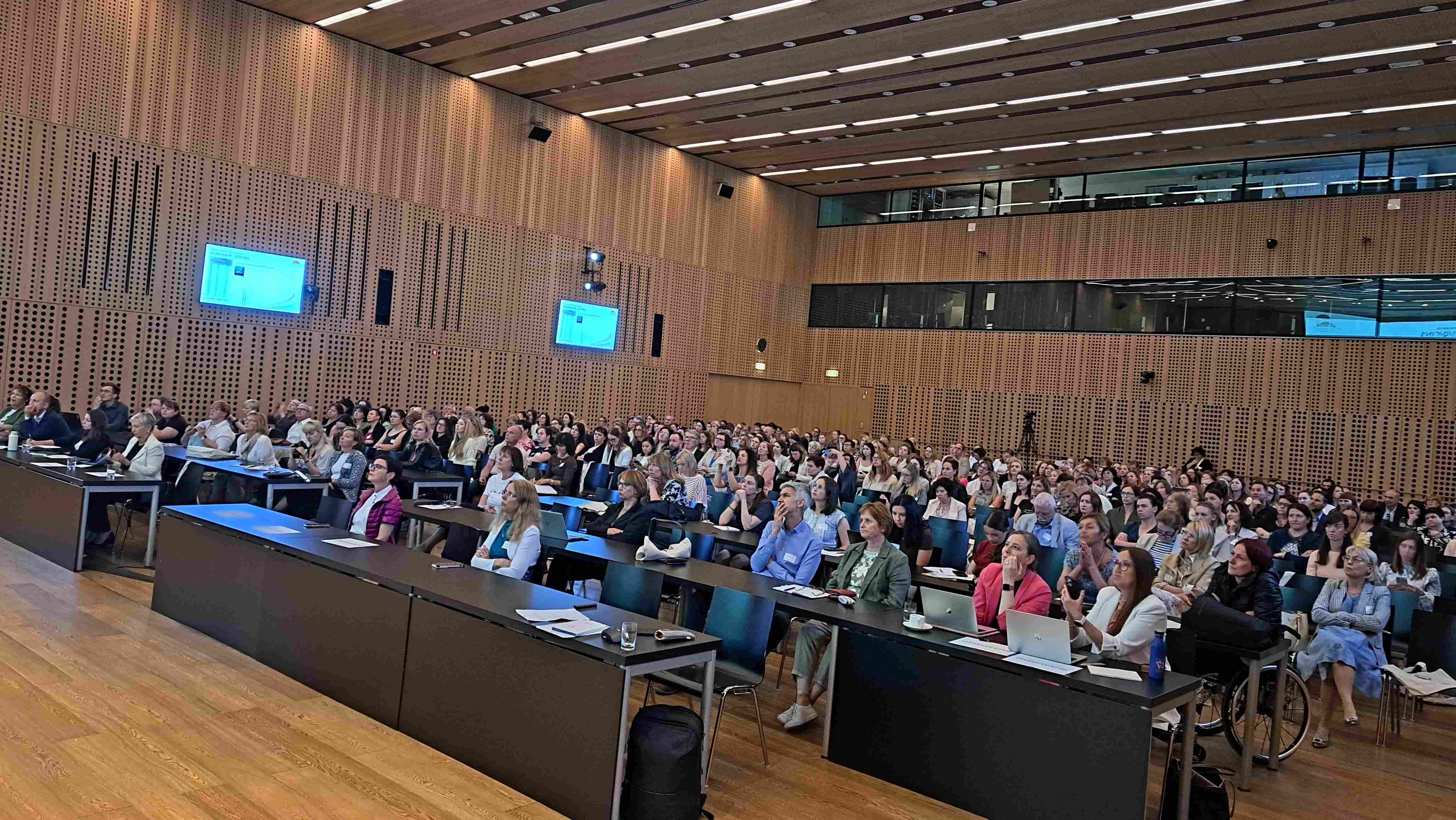
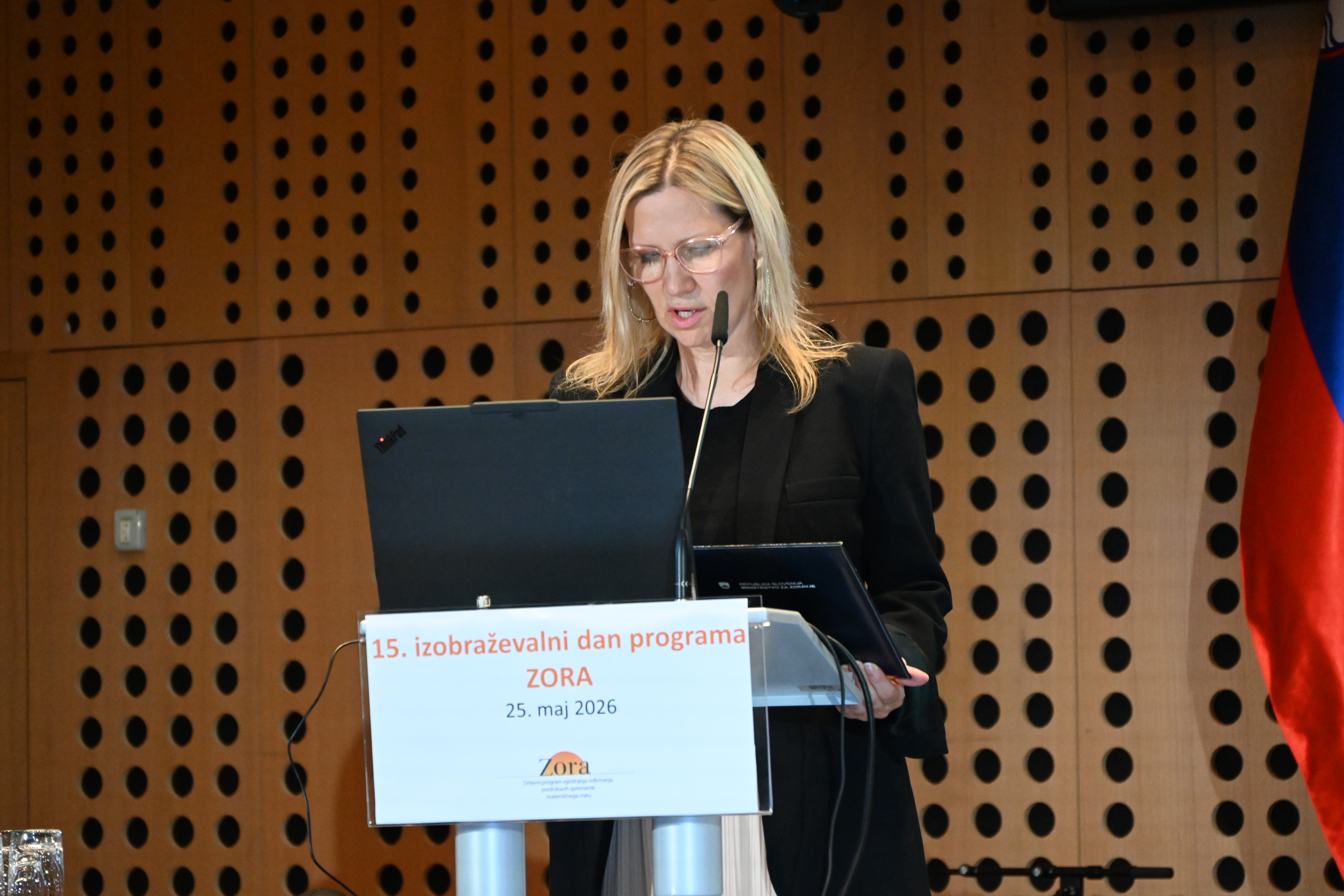
On May 25, 2026, the 15th Educational Day of the national ZORA program took place in Brdo pri Kranju. This was the central professional event of the screening program for the early detection of precancerous changes of the cervix. More than 300 experts from primary and secondary levels of healthcare attended the event. This year’s meeting was primarily dedicated to presenting the professional rationale for upgrading the ZORA program’s screening policy, which will introduce significant changes in cervical cancer screening in the coming years, in line with European recommendations and modern professional approaches.
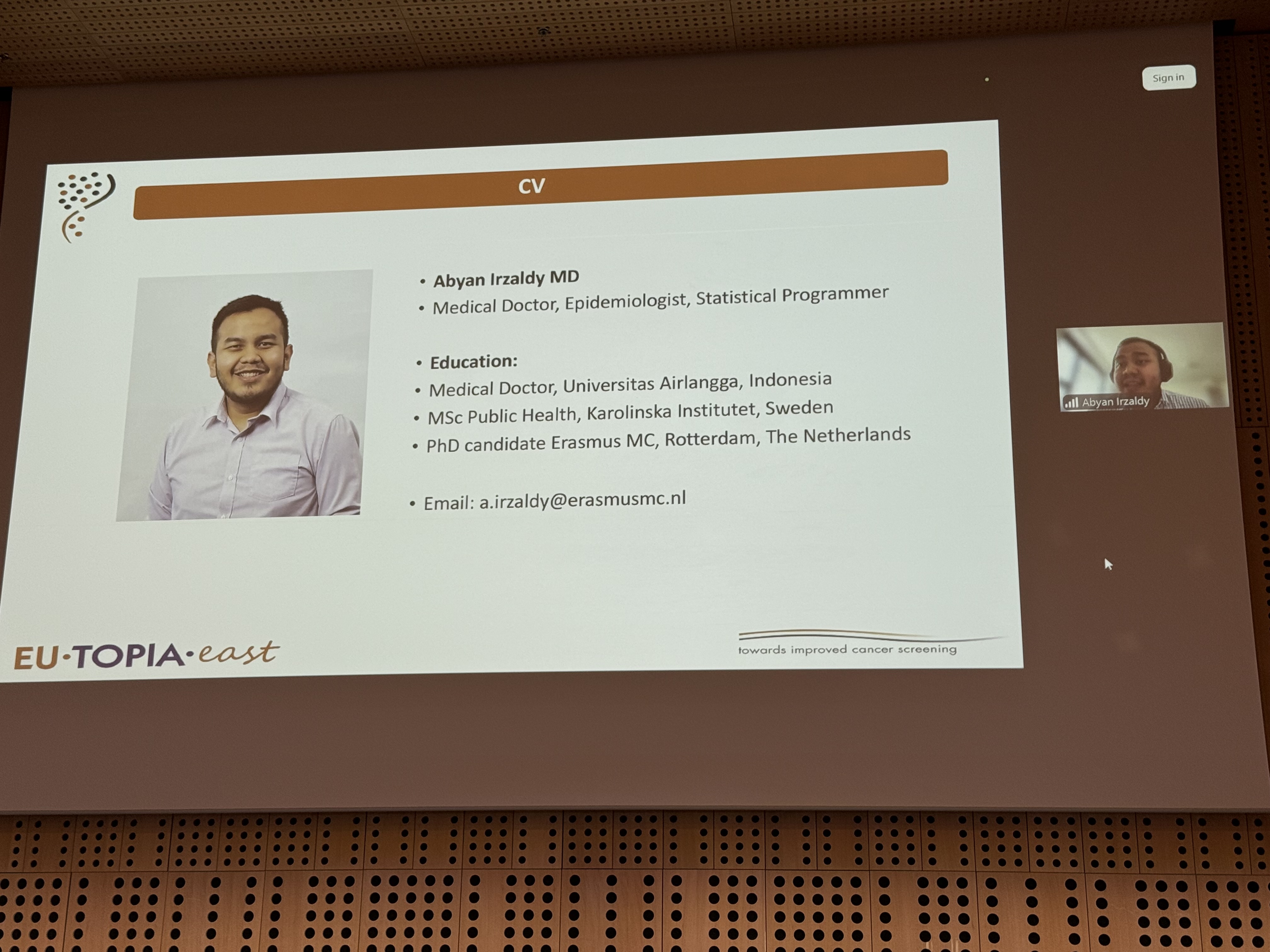
Current European recommendations and international experiences were presented by two renowned experts: Dr. Partha Basu, Head of Screening and Infection Control at the International Agency for Research on Cancer, World Health Organization (IARC/WHO), and Dr. Paolo Giorgi Rossi from the Italian center AUSL-IRCCS of Reggio Emilia. An important international contribution was also delivered by Abyan Irzaldy from Erasmus MC Rotterdam in the Netherlands, who presented projections of the impact of transitioning from cytological screening to HPV-based screening on the timeline for elimination of cervical cancer in Slovenia. According to these projections, this goal could be achieved in less than ten years.
The professional foundations and detailed changes in the screening policy, aimed at providing women with even safer, more effective, and more modern cervical cancer screening, were presented by the head of the ZORA program, Assoc. Prof. Dr. Urška Ivanuš. These include the transition to HPV-based screening, extending the screening interval to five years, and raising the starting age for screening to 25.
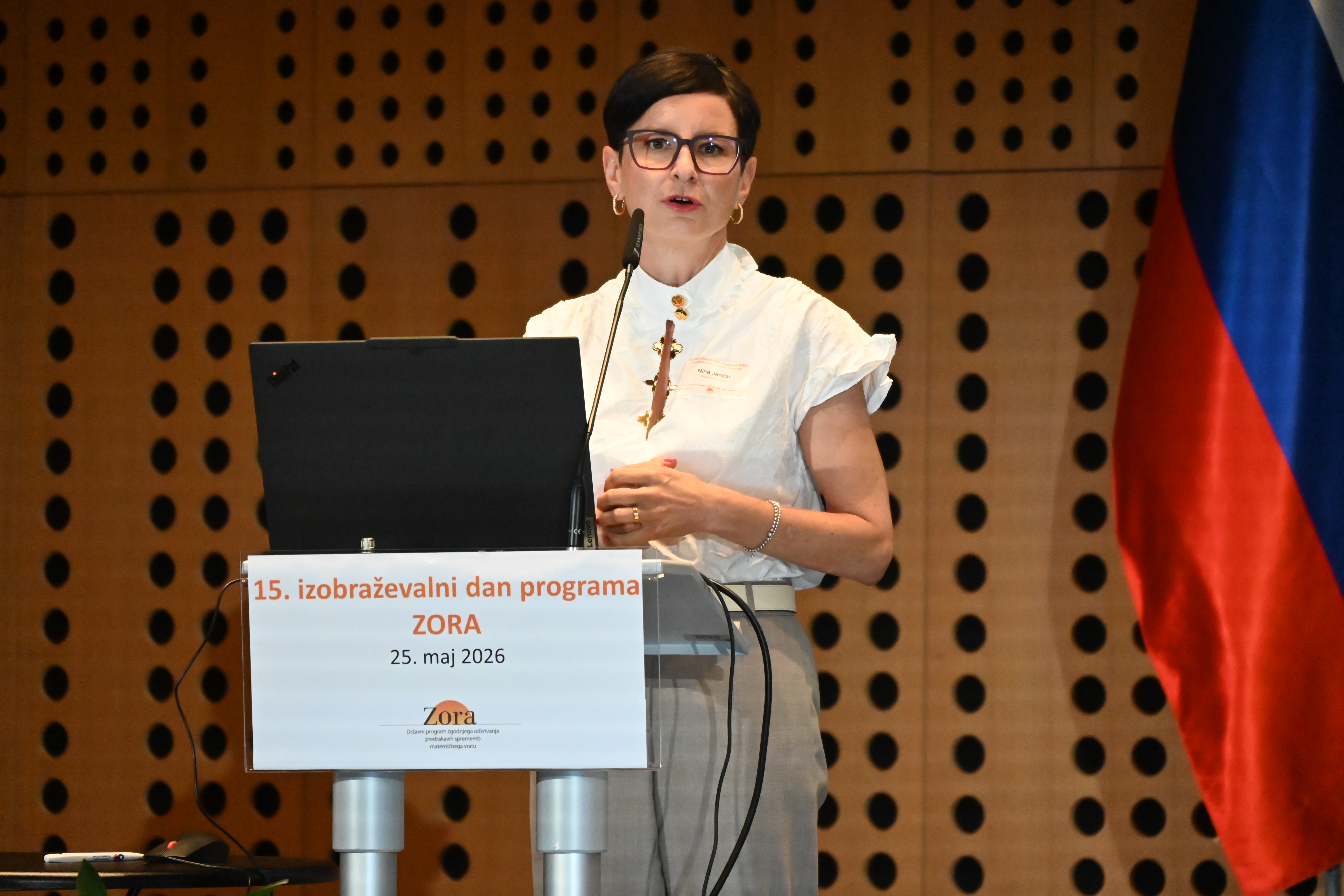
International and national research supporting the suitability of these changes were presented by Luka Kovač from the Department of Gynecology at the University Medical Centre Ljubljana, Petra Turk from the ZORA program, and Assoc. Prof. Dr. Andraž Dovnik from the Department of Gynecology and Perinatology at the University Medical Centre Maribor. Assoc. Prof. Dr. Nina Jančar from the Department of Gynecology at the University Medical Centre Ljubljana lectured on balancing the benefits and potential adverse effects of screening in young women, while Assoc. Prof. Dr. Luka Roškar from the General Hospital Murska Sobota presented colposcopic challenges related to the introduction of HPV-based screening and screening of girls vaccinated against HPV. Assoc. Prof. Dr. Veronika Kloboves Prevodnik from the Institute of Oncology Ljubljana presented the introduction of liquid-based transport media into the ZORA program, after which participants discussed their views on the announced changes in an interactive session using the Mentimeter tool.
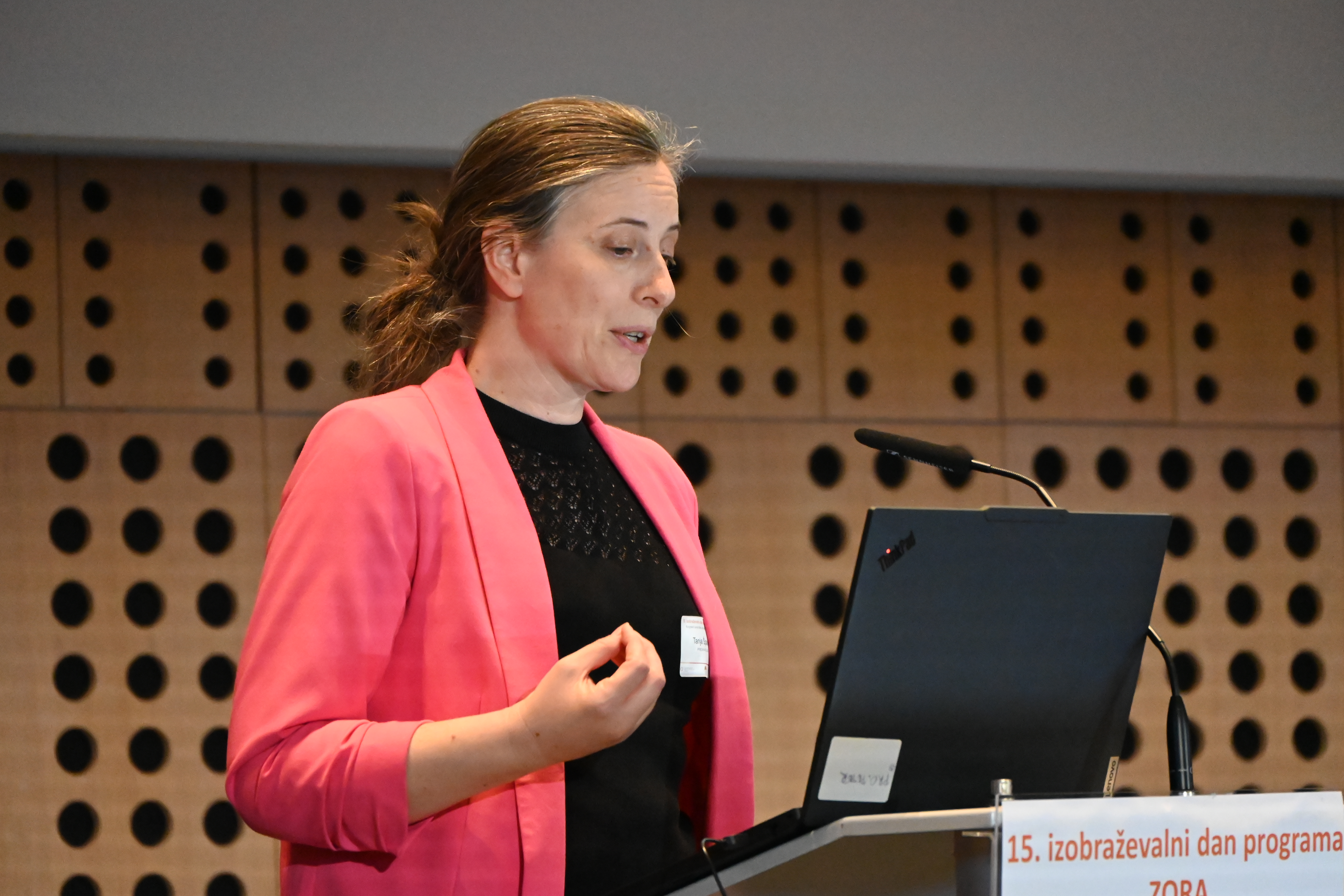
Special emphasis at this year’s meeting was also given to communicating the changes and the importance of involving all key stakeholders in their implementation. Assoc. Prof. Dr. Sara Atanasova from the Faculty of Social Sciences presented a study on the attitudes of healthcare providers and women toward the announced changes within the ICSIS project, while Dr. Tanja Španić from the Europa Donna association highlighted the role of non-governmental organizations in implementing changes and the importance of the voices of women and patients in the process of renewing the screening program. The program concluded with a roundtable discussion on communicating changes in the ZORA program.
News,
The 15th ZORA Day focused on presenting the professional foundations for upgrading the ZORA program’s screening policy








![[Translate to English:]](/fileadmin/user_upload/dokumenti/novice/dvorana.jpg "[Translate to English:]")